A Facilities Manager’s Roadmap for Smarter Heating and Cooling Decisions
Starting any HVAC plan begins with clarifying building priorities: occupant comfort, energy control, and serviceability. Define temperature setpoints, hours of operation, and zones that vary by use. In practice, document square footage, envelope condition, and internal loads from lighting and equipment. This groundwork shapes system sizing and informs whether Heating Installation and Repair or a new platform better aligns with performance goals and budget tolerance.
Next, assess system types against your building’s layout and utility rates. Heat Pump Installation can provide efficient heating and cooling in one package, but verify local climate suitability and backup strategies. Meanwhile, legacy furnaces paired with condensers may still fit where ductwork is robust. Ductless Mini-Split Installation excels for add-ons and remodels, minimizing disruption while giving zone-level control that reduces wasted runtime in intermittently used spaces.
Beyond that, airflow design deserves careful attention. Verify duct condition, static pressure, and return pathways before you upgrade equipment. Undersized returns or leaky runs sabotage even premium systems. Scope a test-and-seal phase to tighten the distribution network, then calibrate dampers for even delivery. Balanced airflow reduces hot and cold spots, cuts noise, and supports filter effectiveness, which directly impacts Indoor Air Quality Services outcomes.
Often, timing your replacement or major AC Installation and Repair around shoulder seasons eases logistics. Crews can stage materials, sequence shutdowns, and validate controls with less disruption to occupants or customers. For restaurants and retail, schedule work in off-hours and buffer contingency time for inspections. Good phasing shortens the switchover and lowers the risk of lost revenue tied to comfort complaints or limited access.
However, comfort is hollow without reliable controls. Modern thermostats and building automation let you set schedules, lock setpoints, and track trends. Inspect sensor placement, avoid drafts and heat sources, and verify differential settings so equipment cycles efficiently. Then, set alarms for filter changes, coil fouling, and abnormal runtime. Data-driven tuning refines performance, limiting nuisance calls while extending component life.
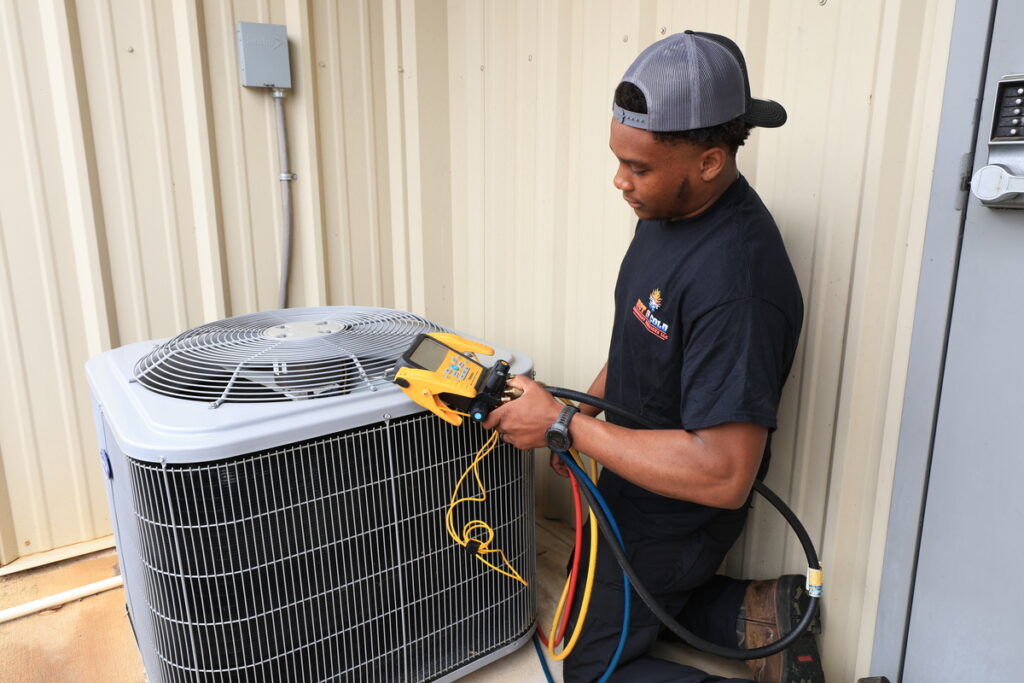
Meanwhile, maintenance planning should be explicit and calendared. Maintain coils, drain pans, belts, and bearings on a seasonal rhythm. Replace filters based on pressure drop rather than a fixed date when possible. Document service actions, parts used, and readings like superheat, subcooling, and static pressure. That record makes future troubleshooting faster, supports warranty claims, and validates that performance stays within design intent.
Then, consider indoor air quality as part of total comfort. Evaluate filtration levels that match your occupancy and activities, and align fan runtimes to keep air mixing without excessive energy use. Where humidity swings, add dehumidification or reheat strategies. Validate that outdoor air rates meet code while economizers function correctly. Clean air reduces complaints and helps protect finishes, electronics, and perishable goods.
Furthermore, commercial properties with kitchens or display cases may need Refrigeration Services that interact with HVAC loads. Heat rejected from refrigeration systems can tax comfort cooling if not planned for. Sequence ventilation and makeup air so exhaust hoods do not depressurize dining areas. Right-sizing these interactions prevents short cycling, drafts, and inconsistent temperatures across front and back of house.
Finally, vendor fit affects long-term success. Align service providers who can handle HVAC and Restaurant Repair Services under one umbrella to simplify dispatch, parts sourcing, and after-hours response. Validate licensing, safety practices, and documentation standards up front. Clear communication channels, shared logs, and defined response windows reduce ambiguity and keep operations steady through peak seasons and unexpected equipment faults.
Altogether, a durable HVAC strategy blends thoughtful design, staged implementation, and steady upkeep. Measure what matters, adapt as your occupancy shifts, and revisit setpoints when energy costs rise. With a disciplined approach that integrates equipment, airflow, controls, and IAQ, buildings stay comfortable, efficient, and ready for changing demands across years of service.